Business Waste Removal in Greenwich
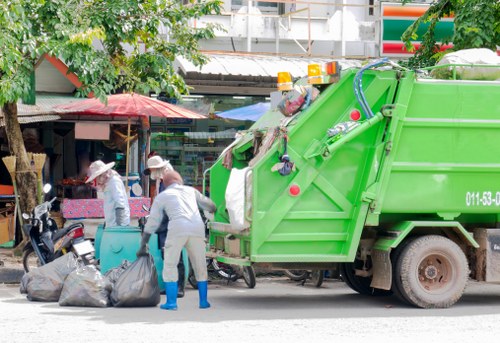
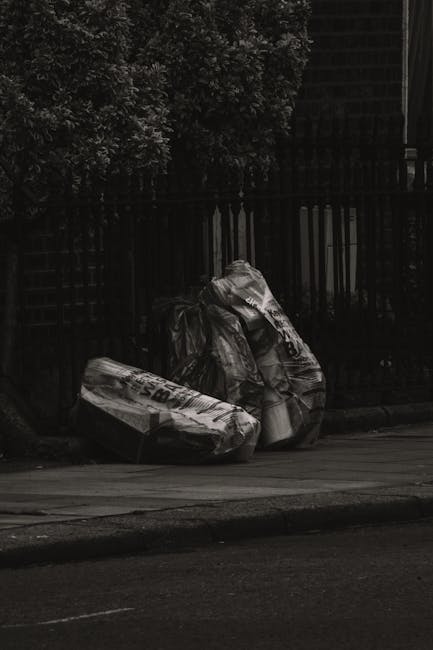
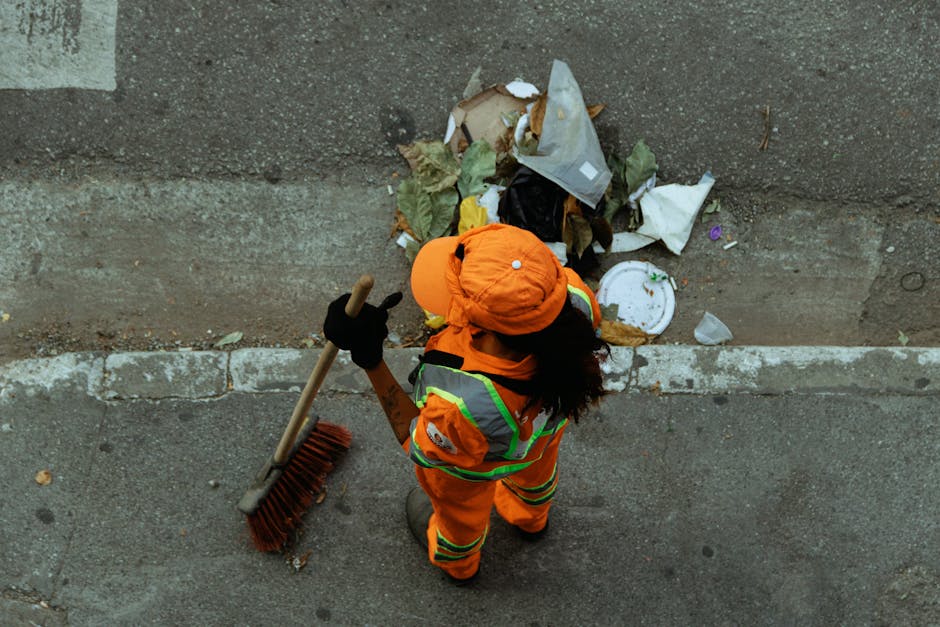
Business waste removal in Greenwich should feel organised, practical and easy to plan. We provide a straightforward service for commercial premises that need waste taken away without disrupting day-to-day operations, whether that means a one-off clear-out or regular collections arranged around your opening hours. The focus is on separating useful items from material for disposal, loading it efficiently and keeping the process clear for managers, site staff and tenants.
Our work covers common commercial waste streams such as general rubbish, office clutter, packaging, redundant fixtures and mixed non-hazardous materials from routine operations. Where items need different handling, we can usually group them into sensible categories so that the collection stays tidy and efficient. If you are comparing business waste removal options, it helps to think about access, volume, whether the load is mixed or sorted, and any building rules that affect collection from shared entrances or loading bays.
For businesses that want a simple starting point, the best next step is to prepare a brief list of what needs moving and note any heavy, awkward or confined-access items. You do not need a long specification to begin. A clear description of the waste type and the approximate amount is usually enough to shape a sensible quotation discussion. If you are ready to move ahead, ask for a quotation and we can discuss the most suitable arrangement.
Commercial waste collections planned around your site
Commercial waste collections work best when they match the rhythms of the premises. Offices, shops, hospitality venues, workshops and shared buildings often produce very different waste streams, so the collection plan needs to reflect what is actually on site rather than a generic emptying service. We can help with waste that has built up after a refit, seasonal stock changes, office moves or general operational tidying. The aim is to remove the right materials in a way that keeps the workplace usable.
When a collection is planned well, it avoids unnecessary handling and reduces the chance of missed items or awkward access issues. The work may involve bags, boxes, shelving offcuts, display units, dismantled furniture or mixed items from a clearance project. Our business waste removal service page gives a direct route back to the core offering if you want to revisit the main service details, while still keeping the process focused on the same commercial waste handling need.
Common collection types can include:
- routine non-hazardous business rubbish
- office furniture and redundant fittings
- packaging, cardboard and mixed operational debris
- clearance waste from changes to the premises
- items gathered after stockroom or workspace reorganisation
Office and workplace clearance

Office and workplace clearance is often about removing a combination of furniture, paperwork-sensitive materials, broken equipment and general clutter without leaving the site in disarray. Desks, chairs, cabinets, partition pieces and other surplus items can often be loaded together if they are suitable for the same collection. Where there are confidential items or material that should not go into general waste, the work needs a more careful approach and clear separation before removal.
For businesses comparing options, it is useful to distinguish between a tidy-up and a full clearance. A tidy-up may only involve selected unwanted items, while a larger clearance can cover several rooms, a storeroom or a whole floor. Office clearance is a helpful related page if your requirement is centred on desks, seating and workplace fittings, while confidential shredding is relevant where paper-heavy material needs separate treatment rather than mixed disposal.
Our approach is to keep the work practical and predictable. If access is straightforward, the removal can usually be planned around lifts, stairs, loading points and building rules. If access is tighter, the collection may need more time for handling and sorting. Either way, the most useful quotation details are the likely load size, the type of furniture or equipment involved, and whether the waste is already grouped near an exit or still spread across the premises.
Furniture, fixtures and bulky items
Commercial sites often accumulate bulky furniture and fittings that are no longer needed but are still too awkward for ordinary rubbish handling. Tables, cabinets, storage units, seating, counters and other large pieces may need to be taken apart before removal, especially where corridors, stairwells or door widths limit movement. A careful approach reduces the risk of damage to the building and makes it easier to keep the site safe while the work is underway.
There are occasions when furniture disposal overlaps with refurbishment or relocation. In those situations, timing matters as much as lifting capacity, because the removal should fit around the rest of the project and leave the space ready for the next stage. Furniture disposal covers the handling of unwanted pieces in more detail, while furniture clearance is useful where several items need to go together as part of a broader emptying job.
Where mixed furniture is involved, it is sensible to identify any items that contain glass, fabric, fixed shelving or electrical components. That helps with sorting and allows the collection to be planned more efficiently. It also gives a better basis for discussing how much needs lifting, whether any dismantling is needed and whether the items are concentrated in one room or spread through the property.
Shop, storage and premises clear-outs
Retail and storage areas can generate waste in many forms, from broken shelving and display items to stockroom clutter and old promotional materials. A premises clear-out may also include packaging waste, redundant fixtures and material left after a move, stock change or layout refresh. The challenge is not just removing the items but doing so in a way that leaves the area usable for trading, storage or onward works.
Home clearance and house clearance are more domestic in purpose, but they show the kind of organised approach that can also be useful where a commercial site contains mixed contents in one place. For business use, the key is to separate the work into manageable sections and decide what remains, what moves elsewhere and what is ready for disposal. That simple sorting can make a collection far more efficient.
Some premises benefit from a phased clear-out rather than taking everything in one go. For example, a stockroom may need one visit for loose rubbish and another for larger items once shelving has been emptied. In practical terms, the more clearly the waste is grouped, the easier it is to estimate the vehicle space, labour and time required. That makes it simpler to receive a quotation that reflects the actual task rather than a rough guess.
Waste types and handling choices

Not every waste stream is suited to the same handling method, so the most useful commercial plan starts with the material itself. General rubbish, cardboard, timber, furniture, hard plastics and mixed non-hazardous site waste may all be collected together if appropriate, but some items need extra attention because of contamination, weight or specialist disposal needs. The more accurately the load is described, the better the handling plan can be.
For businesses with mixed waste, it can help to think in terms of what is reusable, recyclable or only fit for disposal. That is not a promise about what will happen to every item; rather, it is a practical way to sort a load before collection. Recycling and sustainability explains the broader approach to material handling, while what can go in a skip can be a useful reference point when you are deciding whether a given item belongs with the rest of the load.
Where a business is unsure about a particular object, it is better to name it specifically than to hide it in a general description. A short note such as “mixed office waste with two filing cabinets and packaging†gives a much clearer basis for planning than “a bit of everythingâ€. That kind of detail helps the service team decide whether the job is straightforward, whether it needs extra care, and whether there are any obvious limitations to flag before collection.
Pricing factors and quotation details
Commercial waste removal is usually priced according to the volume, type and handling complexity of the load, together with the practical conditions at the site. Access, loading distance, whether items need dismantling and whether waste is already stacked together can all influence the amount of work involved. A quotation should therefore reflect the actual collection rather than an abstract estimate detached from the premises.
There is no need to overcomplicate the enquiry. A sensible description of the material, a rough idea of quantity and a note about access are often enough to begin. Pricing and quotes is the best place to look if you want a dedicated overview of how quotations are handled, while book online is available for customers who prefer a direct route to arranging the work rather than starting with a wider discussion.
When preparing a quotation request, try to include only the details that affect the work directly. A short note about floors, lift access, loading restrictions or parking limitations can be helpful, but long background information is usually unnecessary. If you are unsure how to describe the waste, a simple category list is enough: furniture, packaging, office clutter, fixtures or mixed commercial waste. That level of clarity usually supports a more accurate response.
Hazardous or restricted materials
Some waste cannot be handled in the same way as ordinary commercial rubbish. Items that may be hazardous, contaminated or otherwise restricted need to be identified before collection so that the right route can be considered. This is important because the safe handling of such material depends on the exact item, its condition and the rules that apply to it. A vague description is not enough when the load includes potentially sensitive items.
Hazardous waste disposal covers that narrower category, but it should only be considered when the material truly falls into the restricted group. For everyday business waste, the main question is usually whether the items are non-hazardous and suitable for normal removal. If the answer is unclear, the safest option is to identify the items plainly rather than mix them into a general clearance request.
Examples of useful distinctions include whether the waste is dry or contaminated, whether it contains sharp or broken components, and whether it has come from a routine clean-out or from a site issue that needs a separate solution. Those distinctions do not make the job more complicated for the sake of it; they help ensure that the collection is matched to the actual material. That is especially important where a business handles varied stock, maintenance waste or equipment changes.
About Greenwich
Greenwich lies on the south bank of the River Thames in south-east London, and its character has been shaped by a long maritime history, royal associations and a riverside setting that still remains central to its identity. The area is closely linked with Greenwich Park, one of London’s oldest enclosed royal parks, and with the historic cluster around the Old Royal Naval College, the National Maritime Museum and the Queen’s House. Together these landmarks form a distinctive architectural ensemble that has made the district internationally recognisable. The Park itself rises above the river, offering wide views across central London, while the built form below combines planned squares, public institutions and streets that reflect different periods of growth. Greenwich has long been associated with timekeeping and navigation because of the Royal Observatory, where the Prime Meridian became a reference point for world time and longitude. The river frontage also connects the area with older patterns of travel and trade, and the nearby Cutty Sark adds another layer to that nautical story as a preserved nineteenth-century tea clipper. Beyond the famous centre, Greenwich includes quieter residential streets, local shopping areas and green spaces that give the wider district a varied urban fabric. The Royal Borough of Greenwich as a whole also contains a range of waterfront, suburban and industrial areas, but the historic core remains one of the most visited parts, combining heritage buildings, cultural institutions and open landscape in a relatively compact setting.
Collections for refurbishments, moves and changing premises

Refurbishments and relocations tend to create waste in stages rather than all at once. Old fittings may come out first, then packaging and protective materials, followed by items that were set aside during the move. Business waste removal can therefore be planned in a flexible way, so the site stays manageable and the waste does not build up faster than it can be cleared. That is often more practical than waiting until the end and dealing with everything in a rush.
In these cases, it helps to think about what should be taken immediately and what can remain until later. A landlord, tenant, contractor or site manager may each have different responsibilities, so clear instructions are valuable. builders waste clearance is relevant where the load includes refurbishment debris, offcuts or trade-related material, while fridge and appliance removal may be useful if the premises are replacing kitchen or staffroom equipment as part of the changeover.
We also handle jobs where the waste is not from a building project in the strict sense, but still needs careful coordination. A stock move, unit handover or premises reset can produce many of the same practical problems as a light refurbishment: mixed items, awkward access and a need to clear space without delaying the next stage. If that sounds like your situation, it is worth asking for a quotation based on the actual contents rather than on a broad category alone.
Garage, loft and stored items from business premises
Commercial properties sometimes use back rooms, upper levels or storage bays in the same way a domestic property might use a garage or loft. These spaces often gather forgotten items, old stock, obsolete signage, spare furniture and general overflow. When they are finally cleared, the main challenge is usually access and sorting rather than the items themselves. A careful emptying plan makes the difference between a simple removal and a drawn-out task.
garage clearance and loft clearance are both relevant page topics where the space, not just the waste, is the main issue. For business premises, the same principles apply: identify the items, note any narrow access or stairs, and decide whether the whole area or only selected material needs removal. That keeps the work focused and helps avoid unnecessary handling.
Businesses often find that hidden storage areas contain a surprising mix of materials, from dormant office supplies to old display equipment and packaging. Sorting them in advance is worthwhile because it can reveal which items are standard waste and which are simply being held temporarily. A short, practical description is enough for a quotation enquiry; there is no need to produce a full inventory unless the site is unusually complex.
Final checks before you request a quotation

A useful quotation request does not need to be long, but it should be specific where it matters. The most helpful points are the type of waste, the approximate amount, the access conditions and whether any items need dismantling or special handling. If the site has loading restrictions, shared entrances or limited parking, note that too. Those details can affect the practicality of the collection and the time needed on site.
You may also find it helpful to group the load into a few simple categories before sending the request. For example: office furniture, packaging, mixed rubbish, fixtures or restricted material. That is usually enough to start a meaningful discussion without overcomplicating the job. If you would like to compare services first, about us can provide a broader view of the business, while contact us is the natural next step when you are ready to request a quotation or ask a specific question.
Need business waste removal in Greenwich? Send the details of your site and the waste to be removed, and we can help you work out the most suitable approach. A clear description today makes the next step much easier. Ask for a quotation when you are ready.