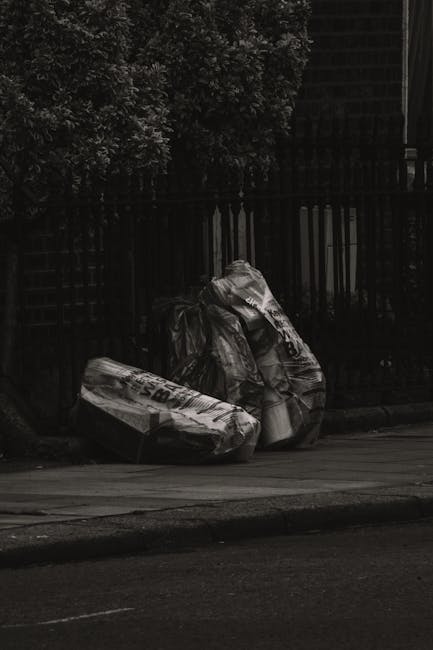
Greenwich rubbish removal guide for SE10 and Maze Hill
If you live or work in Greenwich, SE10, or around Maze Hill, rubbish has a habit of building up when you least want it to. One minute it is a single broken chair by the hallway, the next it is a stubborn mix of old furniture, bagged waste, and a box of things you meant to sort "next weekend". This Greenwich rubbish removal guide for SE10 and Maze Hill is here to make that messy bit simpler. It explains how local rubbish removal works, what to expect, where the common pitfalls are, and how to choose the most practical option for your home, flat, office, garden, or building project.
Truth be told, waste clearance is rarely just about getting rid of junk. It is about saving time, keeping access clear, avoiding fly-tipping headaches, and making sure everything is handled responsibly. If that sounds like a lot for a few black sacks, well, yes, it often is. But it does not have to be complicated.
Table of Contents
- Why Greenwich rubbish removal guide for SE10 and Maze Hill matters
- How Greenwich rubbish removal guide for SE10 and Maze Hill works
- Key benefits and practical advantages
- Who this is for and when it makes sense
- Step-by-step guidance
- Expert tips for better results
- Common mistakes to avoid
- Tools, resources and recommendations
- Law, compliance, standards, or best practice
- Options, methods, or comparison table
- Case study or real-world example
- Practical checklist
- Conclusion
- Frequently asked questions
Why Greenwich rubbish removal guide for SE10 and Maze Hill matters
Greenwich has a very particular rhythm. Narrow roads in some parts, flats and conversions in others, busy high streets, and plenty of homes where storage is at a premium. That mix makes rubbish removal feel slightly different here than in a big suburban driveway-and-bin situation. If you are in SE10 or Maze Hill, you will probably know the feeling of trying to move a bulky item down a staircase, through a shared hallway, or out to a street with limited parking. Not ideal.
This is why a proper rubbish removal plan matters. It helps you decide whether you need a one-off waste collection, a full clearance, help with bulky items, or a more specialist service for things like appliances, builders' debris, or hazardous materials. It also helps you avoid the classic mistake of treating all waste as one pile. Some items can be reused or recycled, some need separate handling, and some should never be left to chance.
There is also the practical side. A clear space is easier to clean, easier to repair, easier to rent, and easier to live in. If you are preparing a flat for new tenants, clearing an office, sorting a loft, or dealing with post-renovation mess, the value shows up fast. You notice it in the silence after the van has gone. There is room to breathe again.
Expert summary: The best rubbish removal approach in Greenwich is usually the one that matches the waste type, access conditions, and timing of the job. Fast is useful, but organised is better.
How Greenwich rubbish removal guide for SE10 and Maze Hill works
In simple terms, rubbish removal is the collection and disposal of unwanted items by a team that can load, transport, sort, and route waste appropriately. The process is usually quicker and less physically demanding than doing it yourself, especially if the waste is bulky, mixed, or awkward to move.
Most jobs follow a similar pattern. You describe what needs removing, the team estimates the volume or type of waste, access is discussed, and then the clearance is scheduled. On the day, the waste is loaded by hand, swept up if needed, and taken away. Good operators will also separate recyclable items where possible and handle restricted waste carefully.
For Greenwich, access matters more than people often expect. A second-floor flat with no lift, a basement room, or a mews property with tight access can change how the job is priced and planned. So can a busy road, a time-limited parking bay, or a large item that needs careful removal to avoid damage. To be fair, a five-minute phone call about access can save a lot of hassle later.
Depending on what you need cleared, you may be looking at one of several related services. For example, an end-of-tenancy clear-out may be better suited to flat clearance, while a post-refurbishment job may need builders waste clearance. If you are clearing a whole property, house clearance or home clearance may be the more useful fit.
Key benefits and practical advantages
The obvious benefit is that the waste disappears. But there is more to it than that. The right service can save time, reduce lifting injuries, limit disruption, and help you manage mixed waste in a sensible way.
- Faster turnaround: A clearance team can often remove in one visit what might take you several trips to a tip or recycling centre.
- Less physical strain: Heavy wardrobes, broken fridges, and awkward bags are easier to manage when you do not have to carry them yourself.
- Better for shared buildings: Flats and maisonettes in SE10 often have limited stair space, shared entrances, or neighbours to consider.
- More organised sorting: Mixed items can be separated into categories such as furniture, appliances, cardboard, garden waste, or general rubbish.
- Cleaner end result: Professional rubbish removal usually includes tidying up the area after loading. Small detail, big difference.
- More responsible disposal: Reusable or recyclable material can be directed away from landfill where appropriate.
If you are comparing methods, remember that speed is not the only measure. A cheap but chaotic solution can easily become more expensive once delays, extra trips, or damage are added in. Nobody wants that. Not on a Monday morning, anyway.
Who this is for and when it makes sense
This guide is useful if you are a homeowner, tenant, landlord, letting agent, builder, shop owner, office manager, or simply someone with too much stuff and not enough space. That covers a lot of ground, because waste problems have a way of showing up everywhere.
It makes particular sense when you are dealing with:
- moving house or ending a tenancy
- clearing a loft, garage, cellar, or spare room
- disposing of old furniture, mattresses, or white goods
- clearing builder's rubble, timber, packaging, and leftover materials
- sorting a garden after pruning, landscaping, or seasonal maintenance
- emptying an office after a move, restructure, or refurbishment
- handling a probate or sensitive property clearance
People often wait too long and then have to rush. A better approach is to identify the waste early, decide what needs specialist handling, and book the clearance before the pile becomes a problem. If you have ever tried to squeeze a sofa around a narrow turn in a hallway, you already know why planning helps.
For businesses, business waste removal can be especially useful when bins are overflowing, storage rooms are blocked, or a fit-out has left you with packaging and broken fixtures. Offices in Greenwich tend to benefit from a tidy, predictable clearance rhythm. Less clutter, less stress, better first impressions.
Step-by-step guidance
If you are not sure how to start, use this simple process. It works for most homes and smaller commercial jobs in SE10 and Maze Hill.
- Walk through the space. Make a quick list of what is staying and what is going. Be honest here. The "maybe" pile can become a problem.
- Separate special items. Put aside fridges, freezers, paint, chemicals, shredding, and anything else that may need a specialist route.
- Estimate the volume. Is it a few bulky pieces, half a van, or a whole property? This helps shape the most practical service.
- Check access. Note stairs, lifts, parking, controlled access, and whether items need dismantling before removal.
- Choose the right service type. A loft clear-out is not the same as a garden tidy or office clearance. Match the job to the waste.
- Ask about disposal approach. You want to know that items will be handled properly and not simply dumped somewhere. Fair question.
- Book and prepare. Bag small waste, unlock access points, and keep what is staying clearly separated.
- Do a final sweep. Before the team leaves, check corners, cupboards, and under stairs. It is always the little bits that hide.
When you are sorting bulky household items, related services can make a lot of sense. A mixed furniture job may be better aligned with furniture clearance, while a single broken item may suit furniture disposal. Old beds, in particular, are often easier to remove through mattress and sofa disposal if that is the main issue.
Expert tips for better results
Small decisions make a surprisingly big difference. In our experience, the smoothest jobs are the ones where the waste has been grouped sensibly before the team arrives.
- Keep reusable items separate. If something can be donated, sold, or reused, do not bury it under general waste.
- Break down what you can. Flat-pack furniture, cardboard, and soft items take less space when dismantled.
- Be precise about awkward items. A fridge, mattress, sofa, or boiler is not just "one item"; it may need special handling.
- Clear a path. A tidy route from room to vehicle cuts loading time and reduces bumps against walls or bannisters.
- Photograph mixed loads if you can. This is useful for getting a clearer quote and avoiding surprises.
- Think in categories, not chaos. General rubbish, electricals, furniture, garden waste, and builders' material are all different beasts.
If your job includes appliances, it is worth thinking about the route in advance. Fridge and appliance removal is especially useful when you have white goods that are too large, too heavy, or too awkward for a standard bin solution. And if you are dealing with an attic that has become a forgotten museum of boxes and old cables, loft clearance can be a much less painful path.
One more thing. Measure doorways. Really. It sounds almost silly until the wardrobe reaches the landing and suddenly everyone is doing geometry in socks.
Common mistakes to avoid
Most rubbish removal headaches come from the same few mistakes. They are easy to make, especially if you are working quickly or trying to save money.
- Leaving it until the last minute. Rush leads to poor sorting, awkward access issues, and higher stress.
- Mixing all waste together. Hazardous materials, electricals, and general rubbish should not be treated the same way.
- Underestimating volume. A job that looks like "just a few bags" can become a much bigger load once sorted properly.
- Ignoring access restrictions. Parking, narrow staircases, and controlled entry can affect the whole operation.
- Forgetting specialist items. Paint, chemicals, fluorescent tubes, and similar materials need more care.
- Choosing purely on price. Cheap is fine if it is also reliable. Cheap and vague is where trouble starts.
Another quiet mistake is not checking what the clearance actually includes. Does the quote cover labour, loading, sweep-up, and disposal route? Does it cover awkward lifting or carry distance? These details matter, and they matter more when you live in a building with shared access and tight corners.
Tools, resources and recommendations
You do not need fancy equipment to prepare for rubbish removal, but a few simple tools can make the job cleaner and safer.
- Heavy-duty bin bags: Useful for mixed soft waste and smaller items.
- Gloves: Helpful when sorting old packaging, broken furniture, or dusty loft items.
- Marker pens and tape: Handy for labelling what stays and what goes.
- Screwdriver or basic tool kit: Useful if items need partial dismantling.
- Boxes or tubs: Good for separating cables, paperwork, small fittings, and reusable bits.
For people comparing services, a clear quote process helps a lot. The page on pricing and quotes is a sensible place to understand how estimates are usually approached. If you want to book quickly, book online can be the easiest next step. And if you want to understand how reusable and recyclable material is treated, recycling and sustainability is worth a look.
For awkward or risky items, do not improvise. Hazardous waste disposal exists for a reason, and it is better to separate those items than to guess. Similar caution applies to confidential paperwork; confidential shredding is the safer route where documents contain personal or business information.
Law, compliance, standards, or best practice
Waste removal in the UK is not just a practical task; it comes with responsibilities. The exact legal requirements depend on the waste type and who is handling it, so it is wise to be cautious rather than casual. In plain English: if waste is being collected from your property, you want to know it will be managed responsibly and by people who understand their duties.
A few best-practice points are worth keeping in mind:
- Do not fly-tip. Leaving rubbish on the street, in a communal area, or near bins without proper arrangement can create obvious problems.
- Separate hazardous items. Paints, solvents, oils, chemicals, and some electrical items need special handling.
- Use proper disposal routes. Furniture, appliances, green waste, and builders' waste may each have different treatment paths.
- Ask about insurance and safety. Reputable operators should be able to explain how they manage lifting, transport, and on-site safety.
- Keep documentation where relevant. For business or sensitive clearances, a paper trail is often useful.
If you are arranging a commercial or larger-scale job, it is sensible to ask about the provider's health and safety approach, too. The pages on health and safety policy and insurance and safety are useful signals of how seriously the business treats risk. For office jobs in particular, a tidy and compliant process matters more than many people realise.
There are also broader ethical expectations. Choosing a provider that thinks carefully about disposal routes, recycling, and handling standards is simply good practice. It is one of those behind-the-scenes decisions that protects you from avoidable mess later on.
Options, methods, or comparison table
If you are deciding between disposal methods, this comparison should help. There is no single "best" option for every job. It depends on scale, access, time, and what you are removing.
| Method | Best for | Pros | Watch out for |
|---|---|---|---|
| Man and van rubbish removal | Mixed waste, bulky items, quick clear-outs | Fast, flexible, labour included | May need accurate volume estimate |
| Skip-style approach | Longer projects, builders' waste, ongoing works | Useful for staged loading, good for renovations | Space, permits, and what can go in it |
| DIY disposal | Small, light loads with easy access | Can suit minor clear-outs | Time-consuming, physical effort, multiple trips |
| Specialist item removal | Fridges, mattresses, sofas, hazardous items | Safer handling, proper routing | Not all items can go with general waste |
If you are unsure whether a skip approach is suitable, it helps to check what can go in a skip before making assumptions. That one page can save a lot of back-and-forth. And if the job is more about old seating or bedding than general rubble, mattress and sofa disposal may be a better fit than a broader waste solution.
For many Greenwich households, the best answer is a hybrid one: clear the obvious bulky stuff professionally, recycle what you can, and keep a small amount of low-risk waste for your own bin cycle if that is realistic. Simple. Not always easy, but simple.
Case study or real-world example
A typical SE10 scenario goes like this. A couple moves out of a flat near Maze Hill and finds they have a wardrobe that will not fit back through the hallway in one piece, two broken dining chairs, an old mattress, and a pile of packaging from a recent appliance replacement. At first, it feels manageable. Then the bags start stacking up in the living room, and the lift is already being shared by neighbours with shopping trolleys and prams.
They could try to take everything out themselves over a few trips. But the access is awkward, the mattress is bulky, and the wardrobe needs dismantling. Instead, they group the items, separate the appliance from the general waste, clear the hallway, and book a collection for a quiet midweek slot. The result is not dramatic. It is just smoother. The clutter goes, the flat looks bigger immediately, and there is no lingering mess by the front door.
That is really the point. Good rubbish removal does not need to be flashy. It needs to be calm, efficient, and suited to the property. In a busy part of Greenwich, that kind of practicality is worth quite a lot.
Practical checklist
Use this checklist before your collection day. It keeps things moving and prevents the usual little delays.
- Identify exactly what needs removing
- Separate reusable items from true waste
- Set aside hazardous or specialist items
- Check door widths, stairs, lifts, and parking
- Group items by category if possible
- Make sure access points are unlocked or arranged
- Confirm whether anything needs dismantling
- Clear a route from the waste to the exit
- Keep valuables, documents, and keep-sakes away from the clearance area
- Review the quote and make sure the job scope is understood
- Ask about disposal route, recycling, and safety expectations
- Do a final sweep before the team leaves
It sounds basic, and it is. But basic is often what makes a job go well. A bit of prep saves a lot of noise, lifting, and last-minute panic. And frankly, everyone's happier when there is less scrambling around at the door.
Conclusion
Greenwich rubbish removal in SE10 and Maze Hill works best when it is planned around your actual space, your actual waste, and your actual schedule. That sounds obvious, but people often skip straight to the collection itself and miss the part where the job gets easier because they prepared properly. If you do that prep, the whole process becomes more manageable, more efficient, and less stressful.
Whether you are clearing a flat, handling builders' waste, getting rid of old furniture, or sorting a business premises, the same principles apply: separate the waste, think about access, avoid mixed-up loads, and choose a method that suits the job. A little organisation up front saves time at the back end. Always has, really.
Get a free quote today and see how much you can save.
If you want to understand the business behind the service, you can also read more on about us, or review the company's terms and conditions and payment and security details before you book. That extra bit of checking is never wasted.
And when the space is finally clear, take a minute to enjoy it. Empty rooms echo differently. They feel lighter. Sometimes that is exactly the reset you needed.
Frequently Asked Questions
What is the easiest way to arrange rubbish removal in SE10?
The easiest route is usually to sort the waste into clear categories, note any bulky or specialist items, and book a collection that matches the volume and access conditions. If you have mixed items, be specific from the start. That keeps the process quick and avoids awkward surprises on the day.
How do I know whether I need flat clearance or general rubbish removal?
If you are emptying most of a flat, dealing with rooms of furniture, or clearing after a move, flat clearance is often the better fit. If you only have a smaller pile of mixed rubbish, a general rubbish removal service may be enough. The line between them is not strict, but the volume and type of waste usually make the decision for you.
Can I get rid of a sofa, mattress, and fridge in one collection?
Often, yes, but those items may need to be treated carefully and sometimes separately within the same job. Sofas, mattresses, and appliances are common bulky items, yet they can involve different disposal routes. Mention them clearly when booking so the team can plan properly.
Is builders' waste different from household rubbish?
Yes. Builders' waste often includes rubble, timber, plasterboard, tile, packaging, and broken fixtures, which can be heavier and dirtier than typical household rubbish. Because of that, it is usually best handled through a service designed for construction waste rather than general household clearance.
What should I do with paint, chemicals, or other hazardous items?
Do not mix them into general rubbish. Hazardous items need careful handling and should be identified before collection. If you are unsure, keep them separate and ask about the correct route rather than guessing. That small pause can prevent a much bigger problem.
Will rubbish removal take place if parking is difficult near my property?
Usually yes, but access and parking should be discussed in advance. In Greenwich, tight streets and limited parking can affect loading time and the logistics of collection. It is better to explain the situation clearly than assume it will sort itself out.
How can I prepare my waste to make the collection faster?
Group similar items together, bag loose waste, dismantle what you safely can, and clear a route from the waste to the exit. If you have small items scattered around a room, put them in one place. That alone can save a lot of time.
Do I need to sort recyclable items before collection?
If you can sort them, that helps. Separate cardboard, clean metal, reusable furniture, and other obvious recyclable material where practical. It is not always necessary to separate everything perfectly, but a little sorting makes responsible disposal much easier.
What is the difference between furniture clearance and furniture disposal?
Furniture clearance usually refers to removing several items, often from a room, flat, or whole property. Furniture disposal is more item-focused, such as getting rid of one sofa, one wardrobe, or a single damaged bed. The right option depends on how much furniture you need removed and how it is accessed.
How do I choose a service for an office or commercial property?
For offices, it helps to think about timing, confidentiality, access, and the kinds of items being removed. Desks, chairs, archive paperwork, and IT equipment may need different handling. If you are clearing a workplace, a service aligned with office clearance and confidential shredding may be more practical than a general household-style collection.
Can I book rubbish removal online?
Yes, if you already know roughly what needs taking away and the access is straightforward, online booking can be a convenient option. It is especially handy for simple jobs where you want to move quickly without lots of back-and-forth.
What if I am clearing a loft or garage full of mixed items?
That is very common, and it is usually best handled as a larger mixed clearance. Loft and garage spaces often contain a bit of everything: boxes, old furniture, broken equipment, and items you have not seen in years. Start by separating anything valuable or hazardous, then tackle the rest in groups. It is not glamorous work, but it is satisfying once it is done.